Guide to Buying a Hotel in Scottish Highlands
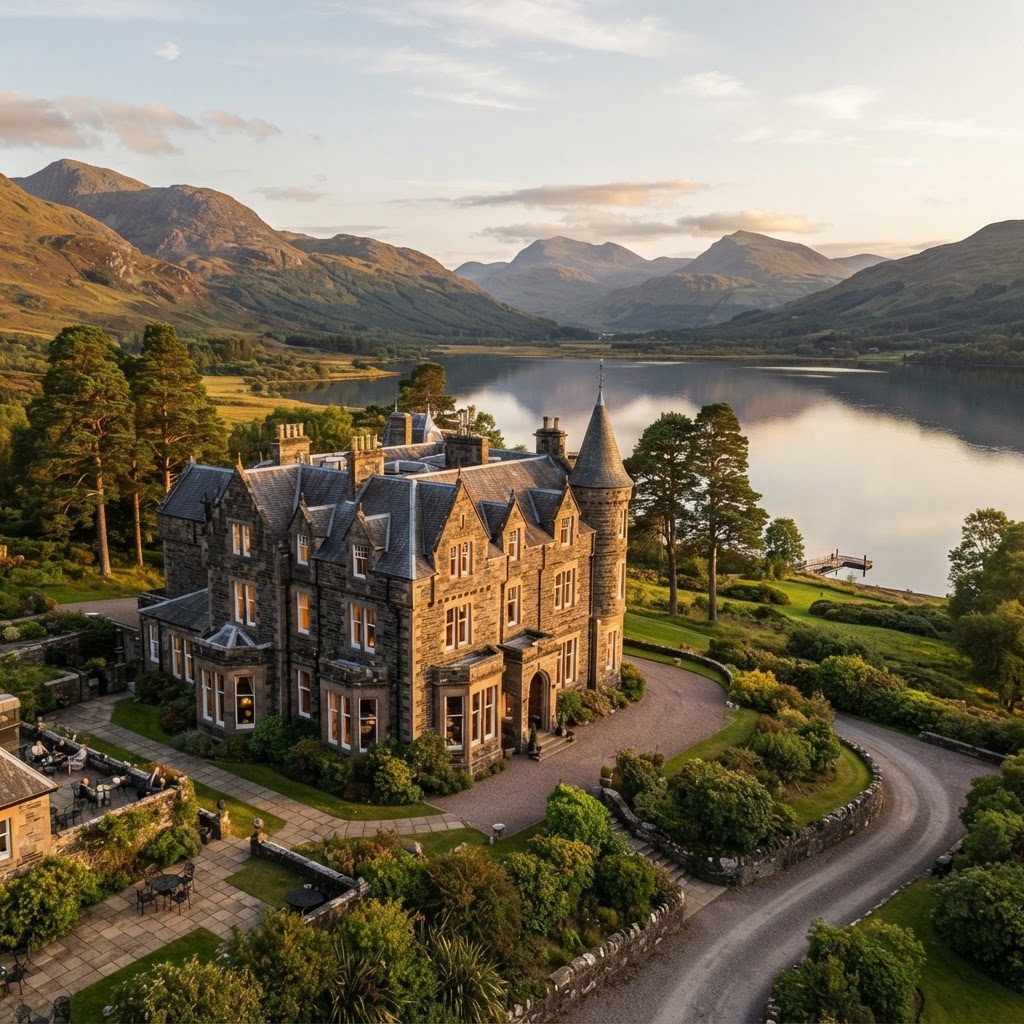
Buying a hotel in the Scottish Highlands is a captivating venture that combines picturesque landscapes with lucrative investment opportunities. While this guide focuses specifically on the hotel acquisition process and buyer's journey, those interested in broader resort investment strategies can explore our Guide to Investing in Scottish Highlands Resorts. As of 2026, the hospitality market in this region is thriving, making it an attractive prospect for savvy investors. This comprehensive guide by Stay4Hospitality will walk you through every essential step of the process, from understanding the unique market dynamics of the Scottish Highlands to navigating the legal and financial intricacies. Whether you're a seasoned investor or new to the hospitality sector, this resource will equip you with the knowledge needed to make informed decisions and optimize your investment.
Key Takeaways
- The Scottish Highlands offer a unique blend of natural beauty and profitable hotel investment opportunities.
- Understanding local market trends and demographics is crucial for successful hotel acquisitions.
- Detailed financial planning and securing the right funding are essential steps in buying a hotel.
- Navigating legal requirements and compliance in Scotland requires careful attention to detail.
- Avoiding common pitfalls and learning from expert strategies can significantly enhance investment outcomes.
- Comprehensive checklists and downloadable resources simplify the buying process.
- Utilizing related tools and resources ensures a well-rounded approach to hotel investment.
Understanding the Scottish Highlands Hotel Market
Understanding the Scottish Highlands Hotel Market
The Scottish Highlands is a captivating region, celebrated for its majestic landscapes, rich history, and vibrant culture, making it a prime location for hospitality investments. As of 2026, tourism in the Highlands is thriving, fueled by a global fascination with its natural beauty and heritage sites. The area attracts over 3.5 million visitors annually, with significant footfall from the UK, Europe, and North America.
Inverness Hotel Market
Inverness, often referred to as the "Capital of the Highlands," is a bustling hub for both business and leisure travelers. The city's strategic location and robust infrastructure make it a preferred destination for conferences and business events. In 2026, the average occupancy rate in Inverness hotels is projected to be around 78%, with an Average Daily Rate (ADR) of £112. Notable transactions include the sale of the Kingsmills Hotel for £12 million, reflecting strong investor confidence.
Fort William Market
Known as the "Outdoor Capital of the UK," Fort William serves as a gateway to outdoor tourism. The region is a magnet for adventure seekers, offering activities such as hiking, mountain biking, and skiing. Hotels here benefit from a steady stream of tourists year-round, with occupancy rates averaging 75% and an ADR of £95 in 2026. The recent acquisition of the Nevis Bank Inn for £3.5 million underscores the growing interest in this vibrant market.
Isle of Skye Market
The Isle of Skye is synonymous with luxury and boutique hotel experiences. Its dramatic landscapes and cultural allure attract discerning travelers seeking exclusivity and comfort. Hotels on Skye boast an impressive average occupancy rate of 82% and an ADR of £150 in 2026. The sale of the Kinloch Lodge for £5 million highlights the premium investors are willing to pay for properties in this sought-after locale.
Cairngorms Region
The Cairngorms, with its stunning national park, is a haven for nature enthusiasts and eco-tourists. The region's commitment to sustainability is mirrored in its hospitality offerings. In 2026, hotels in the Cairngorms are expected to maintain an occupancy rate of 70%, with an ADR of £105. The recent investment in the Cairngorm Hotel, valued at £4 million, is indicative of the area's potential for growth.
Economic and Environmental Considerations
Investors should consider the economic stability of the region, bolstered by government initiatives to enhance tourism infrastructure. Environmental sustainability remains a priority, with increasing emphasis on eco-friendly practices. By aligning hotel offerings with these trends, investors can tap into a lucrative market that rewards innovation and sustainability.
For more insights on investing in the Scottish Highlands, explore our Guide to Investing in Scottish Highlands Resorts, which offers a comprehensive look at resort investment strategies distinct from traditional hotel acquisitions.
Step-by-Step Guide to Acquiring a Hotel
Acquiring a hotel in the Scottish Highlands involves meticulous planning and execution. Here’s a detailed step-by-step guide to help you through the process:
1. Conduct Market Research
Begin with comprehensive research to understand local market conditions, competitor analysis, and consumer behavior. Utilize tools like Stay4Hospitality's Market Analysis Tool for insights. For further understanding of the tourism impact, visit our Tourism Impact on Scottish Highlands Hotels page.
2. Define Investment Criteria
Set clear criteria for your investment based on location, size, target clientele, and budget. Consider factors such as proximity to tourist attractions and accessibility.
3. Property Selection
Identify potential properties through real estate listings and industry contacts. Use platforms like Stay4Hospitality to find listings that match your criteria.
4. Due Diligence
Perform thorough due diligence, including property inspections, financial audits, and verification of permits. Engage local experts for accurate insights. Learn more about the legal compliance aspects by visiting our Legal Compliance in Buying a Hotel in the Scottish Highlands page.
5. Financial Negotiation
Negotiate terms with the seller, focusing on price, payment terms, and any potential contingencies. It's advisable to engage a professional negotiator to ensure the best deal.
6. Secure Funding
Explore financing options including traditional bank loans, investor partnerships, and government grants. Tailor your funding strategy to your financial goals.
7. Legal and Compliance Checks
Ensure all legal documents are reviewed by a legal expert familiar with Scottish property laws to avoid future disputes. Scottish property law has unique nuances compared to the rest of the UK, particularly in the conveyancing process. In Scotland, solicitors often handle both legal and conveyancing work, streamlining the process but requiring expertise in local legislation.
8. Closing the Deal
Finalize the purchase by signing the necessary agreements, transferring funds, and officially taking ownership of the property. The typical timeline for hotel transactions in the Highlands can range from 6 to 12 weeks, depending on property specifics and legal complexities. Celebrate your new investment!
For more detailed insights and resources, explore our Complete Guide to Buying a Hotel in Scottish Highlands page.
Financial Planning and Investment Strategies
Financial Planning and Investment Strategies
Effective financial planning is crucial when investing in a hotel in the Scottish Highlands. To navigate this complex landscape, start by exploring our Financing Hotels in Scottish Highlands guide for in-depth insights.
Budgeting and Cost Analysis
Begin by establishing a realistic budget. Consider costs such as property acquisition, renovations, staffing, marketing, and operational expenses. A typical mid-range hotel might require an initial investment of £1.5 million to £3 million. Use our Hotel Property Valuation Tool to estimate the market value of potential acquisitions accurately.
Funding Options
Explore diverse funding sources to finance your hotel purchase:
- Traditional Loans: Major UK banks, such as Lloyds and Barclays, offer commercial loans for hotel acquisitions, often requiring a down payment of 20-30%.
- Specialist Hospitality Lenders: Lenders like OakNorth Bank and Cynergy Bank specialize in hospitality finance, providing tailored loan products for the Scottish market.
- Scottish Government-Backed Schemes: The Scottish Investment Bank offers support for tourism-related projects, potentially reducing financing barriers.
Typical loan-to-value ratios for Highland hotels range from 60% to 70%, with interest rates averaging 3-5% as projected for 2026.
Investment Strategies
- Diversification: Offer a mix of room types and services to cater to various market segments, enhancing appeal.
- Revenue Management: Implement dynamic pricing strategies to optimize occupancy and revenue.
- Sustainability Initiatives: Invest in eco-friendly practices to attract environmentally conscious travelers.
Financial Projections
Develop detailed financial projections, including cash flow statements and ROI analysis. Aim for a ROI of 8-12% annually, typical for the region, but adjust based on your specific property and market conditions. Calculate your potential returns with our Hotel ROI Calculator.
Case Study: Successful Highland Hotel Acquisition
Consider the case of a boutique hotel acquired in 2023 for £2.2 million. The investors leveraged a 70% loan-to-value mortgage from a specialist lender, focusing on eco-friendly upgrades. Within two years, the hotel's occupancy rates increased by 15%, achieving an annual ROI of 10%.
By implementing these strategies and utilizing available resources, you can ensure a financially sound and profitable hotel investment. For more detailed financial planning resources, visit our Guide to Investing in Scottish Highlands Resorts.
Navigating Legal and Compliance Requirements
Navigating Legal and Compliance Requirements
When buying a hotel in the Scottish Highlands, understanding the legal landscape is crucial to ensure a smooth acquisition process and avoid potential pitfalls. Here's an overview of key legal and compliance requirements unique to this region:
Property Laws and Regulations
Familiarize yourself with Scottish property laws, which differ significantly from those in other UK regions. It's vital to ensure title deeds are clear and free from disputes. Unlike in England, Scotland uses the Land and Buildings Transaction Tax (LBTT) instead of Stamp Duty Land Tax (SDLT), impacting your financial planning.
Planning Permissions
The Scottish planning system requires specific permissions for renovations or expansions, especially in conservation areas prevalent in the Highlands. The rules can be more stringent in areas like the Highland National Park, where environmental impact assessments may be necessary. For detailed guidance, refer to our Legal Compliance FAQ.
Licensing Requirements
Hotels in Scotland must adhere to various licensing requirements, including:
- Alcohol Licensing: Essential if you plan to serve alcoholic beverages. Scotland's licensing laws can be more restrictive, with local councils having discretion on licensing hours.
- Food Hygiene Certification: Mandatory for all food service operations to ensure compliance with health standards.
Health and Safety Compliance
Adhering to health and safety regulations is non-negotiable. This includes rigorous fire safety standards, which are strictly enforced in Scotland. Regular inspections ensure compliance with these standards.
Employment Laws
Understanding local employment laws is critical. These govern staff contracts, wages, and working conditions, and may differ slightly from the rest of the UK. Engaging local legal advice is recommended to navigate these nuances effectively.
Environmental Regulations
With increasing emphasis on sustainability, compliance with environmental regulations is crucial, particularly if your hotel is located in ecologically sensitive areas. This includes the Highland National Park and other protected landscapes.
Legal Representation
Engage a solicitor experienced in Scottish property law to guide you through the legal process, ensuring all contracts and agreements are comprehensive and enforceable. For more in-depth information, explore our detailed child cluster page.
Navigating these legal requirements effectively will safeguard your investment and ensure smooth operational compliance. For further insights into the legalities of hotel investment in Scotland, see our Guide to Investing in Scottish Highlands Resorts.
Common Mistakes to Avoid When Buying a Hotel
Common Mistakes to Avoid When Buying a Hotel in the Scottish Highlands
When it comes to buying a hotel in the Scottish Highlands, potential investors must navigate several common pitfalls to ensure a successful purchase and operation. Here are some key mistakes to avoid:
Overlooking the Due Diligence Process
One of the most critical steps in buying any property, especially in the hospitality sector, is thorough due diligence. Failing to conduct a comprehensive evaluation of the hotel’s financials, legal obligations, and physical condition can lead to unforeseen expenses and operational challenges.
- Financials: Verify historical income statements, occupancy rates, and expenses.
- Legal Compliance: Ensure all licenses and permits are up to date.
- Property Condition: Conduct a detailed inspection to assess maintenance needs.
Ignoring Market Trends
The hospitality market in the Scottish Highlands is unique. Investors often overlook trends such as seasonal demand fluctuations and the impact of local events. Understanding these dynamics is crucial:
- Seasonality: Peak tourist seasons can significantly affect cash flow.
- Local Events: Festivals and local attractions can influence booking rates.
Underestimating Operational Costs
Operational costs can be deceptive. Potential buyers might focus on purchase price alone, neglecting ongoing expenses such as staffing, utilities, and marketing. It’s essential to:
- Budget for Staffing: Labor costs can constitute up to 50% of total expenses.
- Plan for Marketing: Allocate funds for digital marketing to attract global tourists.
Failing to Plan for Renovations
Many older hotels in the Highlands may require updates to meet modern guest expectations. Investors should factor in:
- Renovation Costs: Set aside 10-20% of the purchase price for renovations.
- Design Updates: Consider eco-friendly upgrades to appeal to environmentally conscious travelers.
Highland-Specific Pitfalls
Investing in the remote and picturesque areas of the Scottish Highlands presents unique challenges. Underestimating seasonal staffing challenges is a common mistake. Remote locations often struggle to attract and retain skilled staff, particularly during peak seasons. Overlooking infrastructure limitations is another pitfall; some rural Highland areas may suffer from inadequate broadband and utilities, impacting guest satisfaction and operational efficiency. Misjudging accessibility issues during winter months can also affect guest arrivals and supply deliveries, leading to unexpected operational delays and costs.
Case Study: A hotel investor overlooked the impact of winter road closures on guest accessibility. During a severe winter storm, the hotel experienced a 30% drop in bookings, highlighting the need for contingency planning in remote areas.
Avoiding these common mistakes requires careful planning and strategic foresight, ensuring not just a successful purchase, but a profitable venture in the long run. For more comprehensive insights, visit our Guide to Investing in Scottish Highlands Resorts.
Expert Insights and Strategies for Success
Expert Insights and Strategies for Success
Embarking on the journey of buying a hotel in the Scottish Highlands requires not only capital but also strategic insight. Here are some expert strategies to maximize your investment:
Leverage Local Expertise
Partnering with local experts can provide invaluable insights into the regional market. Whether it's real estate agents familiar with local property values or consultants who understand the tourist landscape, leveraging local knowledge is crucial:
- Real Estate Agents: Familiarity with local pricing and negotiations.
- Tourism Consultants: Insights into guest demographics and trends.
Focus on Niche Markets
The Highlands offer unique opportunities to tap into niche markets. Consider tailoring your hotel services to specific traveler groups:
- Eco-Tourism: Develop sustainability practices to attract eco-conscious guests.
- Adventure Tourism: Offer packages for hikers, cyclists, and outdoor enthusiasts.
Optimize Operational Efficiency
Efficiency in operations can drastically improve profitability. Implementing technology and streamlining processes can lead to significant savings:
- Automated Systems: Use software for booking, invoicing, and customer management to reduce manual labor.
- Energy Efficiency: Invest in energy-saving appliances to lower utility costs.
Develop a Strong Online Presence
In today's digital landscape, having a robust online presence is imperative. Focus on:
- SEO and Content Marketing: Create engaging content to rank in search engines and attract organic traffic.
- Social Media Engagement: Use platforms like Instagram and Facebook to showcase your hotel and interact with potential guests.
Build Strategic Partnerships
Collaborating with local businesses can enhance your hotel's offerings and reputation. Consider partnerships with:
- Local Tour Operators: Offer exclusive tours and activities.
- Restaurants and Cafes: Provide dining discounts or packages to guests.
Highland-Specific Strategies
To thrive in the Scottish Highlands, consider these tailored strategies:
- Partner with Local Tourism Boards: Collaborate with organizations like Visit Scotland and regional Destination Management Organizations (DMOs) to enhance visibility and attract tourists through joint marketing campaigns.
- Leverage Highland Cultural Assets: Highlight the unique cultural experiences available, such as whisky trails, clan heritage tours, and outdoor activities like hiking and fishing. These can differentiate your hotel and attract culturally inclined travelers.
- Optimize for Shoulder Season Business: Develop packages and promotions to attract visitors during the quieter shoulder seasons, ensuring steady occupancy rates year-round.
- Build Relationships with Local Suppliers and Tour Operators: Establish strong connections with local suppliers to ensure quality and authenticity in your offerings. Collaborating with tour operators can also provide guests with unique experiences, enhancing their stay.
According to Fiona MacLeod, owner of the successful Glenview Hotel in the Highlands, "Building strong local partnerships and embracing the cultural richness of the Highlands is key to attracting and retaining guests."
For further insights into financial aspects, consult our hotel financing FAQ and ROI calculation FAQ. By adopting these strategies, investors can not only secure a foothold in the competitive Highlands market but also ensure long-term profitability and growth. For more detailed guidance, explore our Complete Guide to Selling a Hotel and Tools & Calculators to aid your decision-making process.
Checklists and Downloadable Resources
Checklists and Downloadable Resources
Streamlining the process of buying a hotel in the Scottish Highlands can be greatly facilitated with the right tools and checklists. Here’s a comprehensive guide to cover all critical steps, with a focus on the unique challenges of Highland properties:
Pre-Purchase Checklist
Before committing to a purchase, ensure all foundational steps are completed:
- [ ] Conduct a comprehensive financial audit.
- [ ] Verify all legal documents and licenses.
- [ ] Inspect the property thoroughly, with a specific focus on septic and water systems, especially for rural locations.
- [ ] Evaluate the competitive landscape.
- [ ] Assess road access for year-round viability.
- [ ] Evaluate mobile and internet connectivity to ensure technological needs are met.
- [ ] Review listings with Historic Environment Scotland if the property is of historical significance.
Purchase Phase Checklist
During the purchase phase, maintain focus on these critical activities:
- [ ] Negotiate purchase terms and price.
- [ ] Secure financing and finalize loan agreements, leveraging tools like our Property Valuation Tool and ROI Calculator.
- [ ] Close the deal with all necessary legal documentation.
Post-Purchase Checklist
After acquiring the property, focus on setting up operations efficiently:
- [ ] Hire and train staff.
- [ ] Implement operational systems.
- [ ] Launch marketing campaigns to promote your hotel.
Downloadable Resources
To assist you further, we provide downloadable resources tailored for hotel investors:
- Financial Assessment Spreadsheet: Track income, expenses, and profitability.
- Legal Compliance Guide: Ensure adherence to local regulations.
- Renovation Planning Template: Plan and budget for property upgrades.
These checklists and resources are designed to provide you with a structured approach to purchasing and managing a hotel, ensuring no detail is overlooked. For a deeper dive into financial strategies, explore our Financial Planning section, or learn more about the broader hospitality investment landscape in the Guide to Investing in Scottish Highlands Resorts.
Next Steps and Further Resources
After purchasing a hotel in the Scottish Highlands, the journey is just beginning. Here’s how to ensure a smooth transition and maximize your investment:
Initial Steps Post-Purchase
- Operational Transition: Work closely with the existing staff to ensure a seamless handover.
- Marketing Launch: Utilize digital marketing strategies to announce your acquisition and attract guests.
- Community Engagement: Connect with local businesses and tourism boards to integrate into the community.
Long-Term Growth Strategies
To ensure sustained success, consider these long-term strategies:
- Continuous Improvement: Regularly update facilities and services based on guest feedback.
- Expand Offerings: Consider adding new amenities or experiences to attract diverse guest demographics.
Additional Resources
Our brand, Stay4Hospitality, offers a wealth of tools and guides to support your journey:
- Hotel Valuation Calculator: Estimate the value of your investment.
- Revenue Management Tools: Optimize pricing strategies to maximize profitability.
- Market Analysis Reports: Stay informed about the latest trends in the hospitality industry.
Related Articles
To deepen your understanding, explore our related guides:
- Complete Guide to Managing a Hotel
- Investment Strategies in Hospitality
- Understanding Hospitality Market Dynamics
By following these steps and utilizing available resources, investors can transition smoothly into hotel ownership and set the stage for long-term success in the Scottish Highlands. Engage with our community and tools to continually refine your strategy and operations.
What are the key factors to consider when evaluating a hotel's location in the Scottish Highlands?
When evaluating a hotel's location in the Scottish Highlands, consider accessibility, proximity to tourist attractions, and seasonal demand. The Highlands are k
How does the tourism seasonality affect hotel business in the Scottish Highlands?
Tourism in the Scottish Highlands is highly seasonal, with peak demand during the summer months from June to August. However, there's growing interest in off-pe
What financing options are available for buying a hotel in the Scottish Highlands?
Financing options for purchasing a hotel in the Scottish Highlands include commercial mortgages, business loans, and private investors. Traditional banks and fi
How can I assess the profitability of a hotel before purchasing in the Scottish Highlands?
To assess a hotel's profitability, examine its financial statements, occupancy rates, and average daily rate (ADR) over the past few years. Additionally, consid
What unique challenges might I face when operating a hotel in the Scottish Highlands?
Operating a hotel in the Scottish Highlands presents unique challenges such as managing supply chain logistics due to remote locations, staffing shortages in pe
Are there any environmental considerations for hotel investments in the Scottish Highlands?
Environmental considerations are vital when investing in a hotel in the Scottish Highlands. Sustainability practices, such as energy-efficient systems, waste re
What role do local partnerships play in the success of a hotel in the Scottish Highlands?
Local partnerships are crucial for the success of a hotel in the Scottish Highlands. Collaborating with local tour operators, suppliers, and community groups ca
Related Resources
- Guide to Investing in Scottish Highlands Resorts
- Leveraging Tourism Trends in the Scottish Highlands
- Eco-Friendly Upgrades for Highlands Resorts
- Sell Your Resort in the Scottish Highlands
- Understanding Scottish Hotel Tax Implications
- Legal Compliance for Highland Hotel Investments
- Understanding Scottish Highlands Tourism Impact
- Financing Hotels in the Scottish Highlands
- What financing options are available for purchasing hospitality properties
- Navigating Hospitality Property Legalities for First-Time Buyers
- How do investors calculate ROI when evaluating hotel properties
- Property Valuation Tool
- Hospitality ROI Calculator
- Browse hotels for sale
Browse hospitality properties for sale | List your property | Free valuation